Recovery Mission Initiative (RMI)



53% of vulnerable women in need are targeted by RMI
ABOUT US
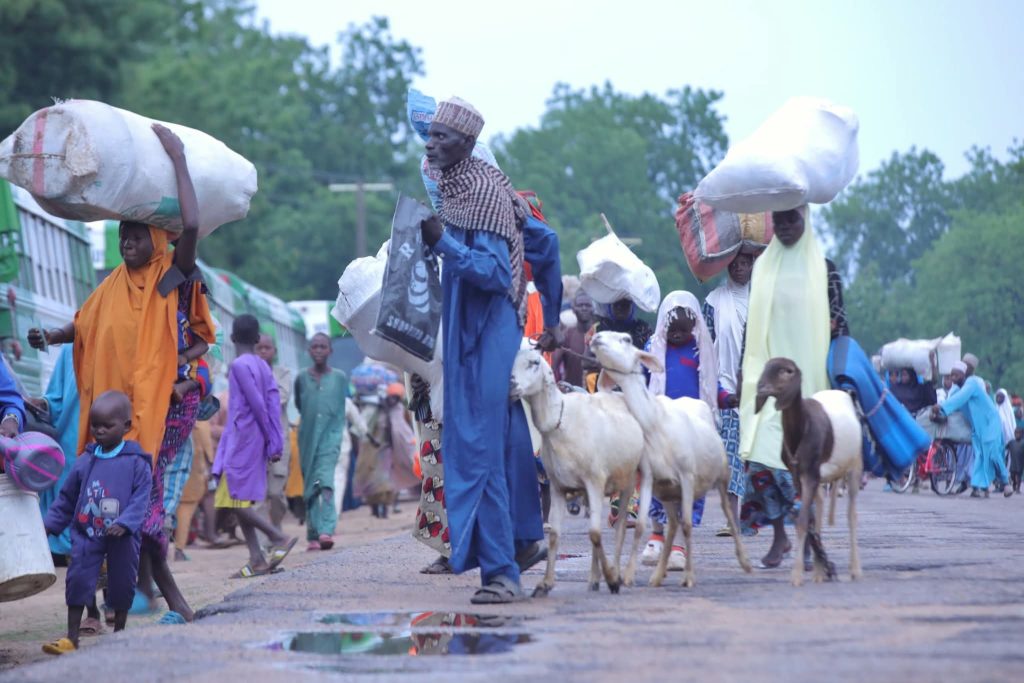
Recovery Mission Initiative (RMI) is a non-profit, non-governmental organization established in 2018, committed to improving the lives of vulnerable populations affected by conflict, displacement, and poverty across communities in Nigeria. We deliver at the intersection of humanitarian response and sustainable development, with people-centered needs to vulnerable populations. Our organization focuses on a wide range of humanitarian and development projects, including economic recovery and livelihoods, education, food Security and agriculture, nutrition, water, sanitation and hygiene (WASH), third-party monitoring and accountability, protection (women protection & empowerment, child protection, GBV, and rule of law). Through our inclusive and strategic partnership, we aim to address immediate needs while promoting long-term recovery and self-reliance.
Our Mission
To support crisis-affected communities through integrated humanitarian response, early recovery, and long-term development programs that promote livelihoods, education, protection, food security, nutrition, WASH, and accountability.
Our Vision
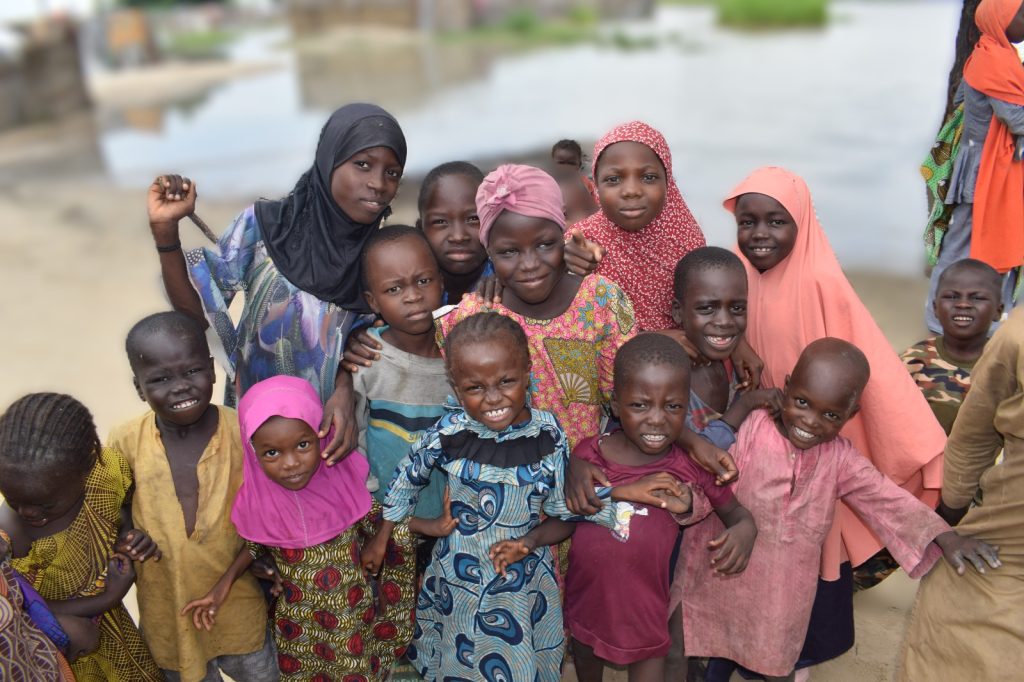
A resilient and self-reliant society where vulnerable communities, especially women and children, live with dignity, safety, and sustainable livelihoods.
Our Objectives
Recovery Mission Initiative focuses on implementing developmental and humanitarian activities in the following sectors:
- Economic Recovery and Livelihoods
- Education
- Food Security and Agriculture
- Nutrition
- Water, Sanitation and Hygiene (WASH)
- Third-Party Monitoring and Accountability
- Protection (Women Protection & Empowerment, Child Protection, GBV, and Rule of Law)
Our Thematic
Economic Recovery and Livelihood Development
RMI prioritizes restoring livelihoods through economic recovery solutions that reduce aid dependency and strengthen community resilience; Emergency jobs, restores local and cross‑border markets with sustainable value chains, supports small traders and entrepreneurs with grants and inputs, supplies livelihood and agricultural equipment, and empowers youth through skills, entrepreneurship, and peacebuilding programs.
Education
Education is a critical pathway to recovery, resilience, and long-term development. RMI supports access to safe, inclusive, and quality education for conflict-affected children and youth. Providing basic and non‑formal education for displaced and conflict‑affected children, sets up temporary child‑friendly learning spaces.The program prevents and treats malnutrition in vulnerable groups, promotes healthy feeding practices.
Food Security and Agriculture
RMI addresses both immediate food needs and long-term food security through sustainable agricultural and livelihood interventions. The initiative gives emergency food aid, supplies seeds, tools, fertilizers & livestock support, promotes climate‑smart agriculture and local crop‑fisheries‑livestock production, strengthens agricultural value chains, and advances gender‑equality & youth inclusion in agriculture.
Nutrition
RMI actively contributes to improving nutrition outcomes in Northeastern Nigeria while aligning with national policies and Nutrition Cluster priorities. The program prevents and treats malnutrition in vulnerable groups, promotes healthy feeding practices, educates on nutrition, and strengthens community health workers' skills.
Water, Sanitation and Hygiene (WASH)
RMI improves access to safe water and sanitation to protect health, dignity, and wellbeing. Building and fixing water sources like boreholes & hand pumps, promoting safe sanitation & hygiene, driving community hygiene campaigns to stop waterborne diseases, and reinforcing local management systems for lasting WASH services.
Protection (Women Protection & Empowerment, Child Protection, GBV, and Rule of Law)
A holistic protection framework empowers women, girls, and children through awareness, survivor‑centered services, and GBV response; safeguards children (including UASC) from labor/exploitation; engages communities and marginalized groups; integrates PSEA and protection mainstreaming
Third-Party Monitoring (TPM) and Accountability
RMI provides independent Third-Party Monitoring services to enhance transparency, accountability, and quality. A monitoring system that provides independent project verification, collects & analyzes data for evidence‑based reports, manages community feedback & complaints, ensures donor‑standard compliance, and uses real‑time feedback for adaptive learning & management.
A community‑driven, participatory approach, involving local people directly in designing, implementing, and monitoring projects, using their feedback and complaints to guide decisions, and enabling real‑time adaptation so the initiatives reflect community needs and ownership.
A gender‑sensitive and inclusive approach designs programs that recognize and address different needs, experiences, and opportunities of all genders, ensuring everyone can participate equally and benefit fully, and embedding safeguards to remove barriers and discrimination.
An accountability and transparency approach embeds clear responsibility and open disclosure, with measurable metrics, assigned ownership, and transparent records. It builds trust, reduces risk, and enables improvement through traceable actions and actionable feedback. Policies, tools, and staff training support implementation.
Partnership with government, donors, and humanitarian actors by aligning resources and goals through joint planning, transparent funding, and shared accountability to deliver effective aid.